Axedale: leaders, lights and learnings
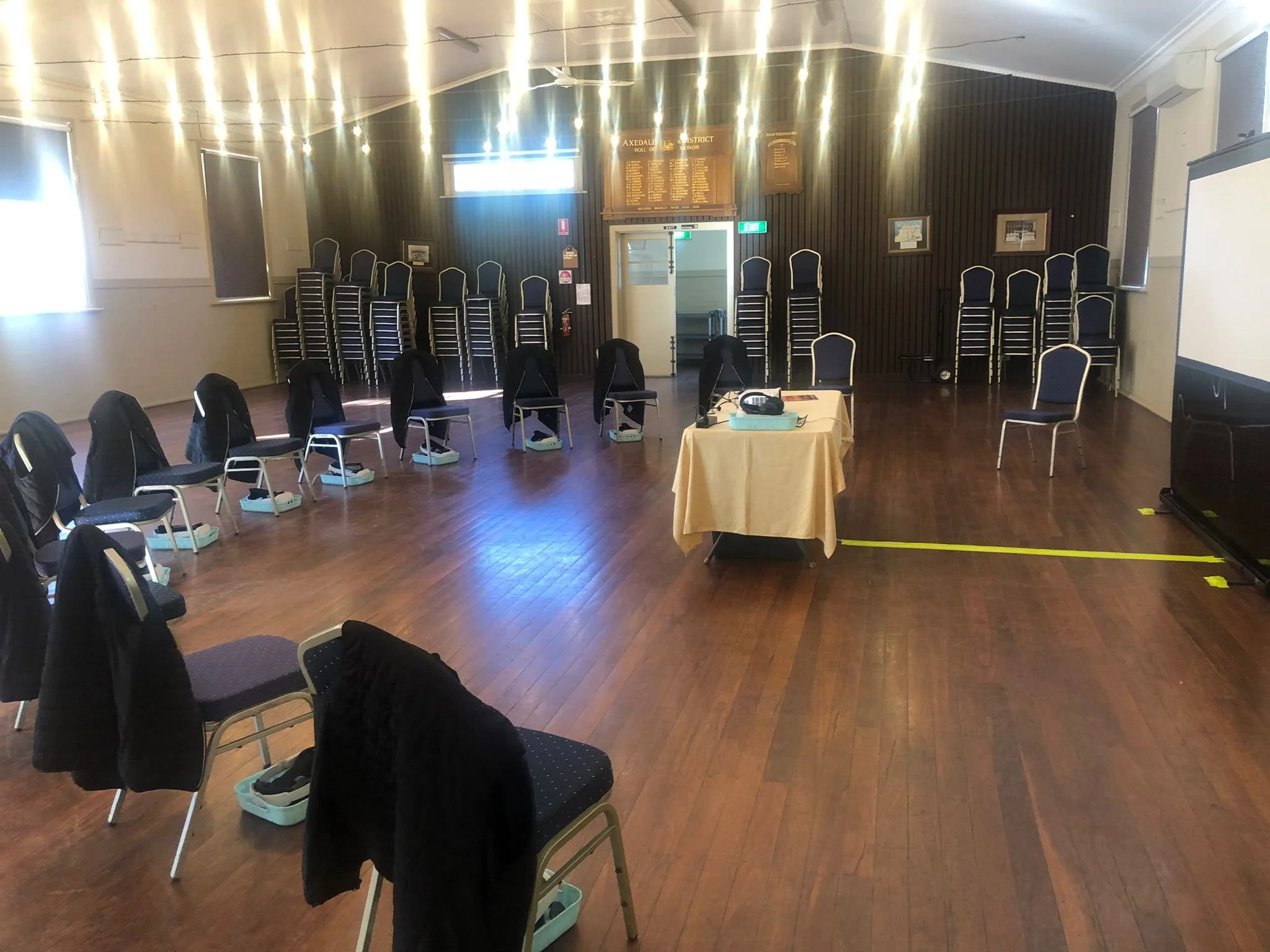
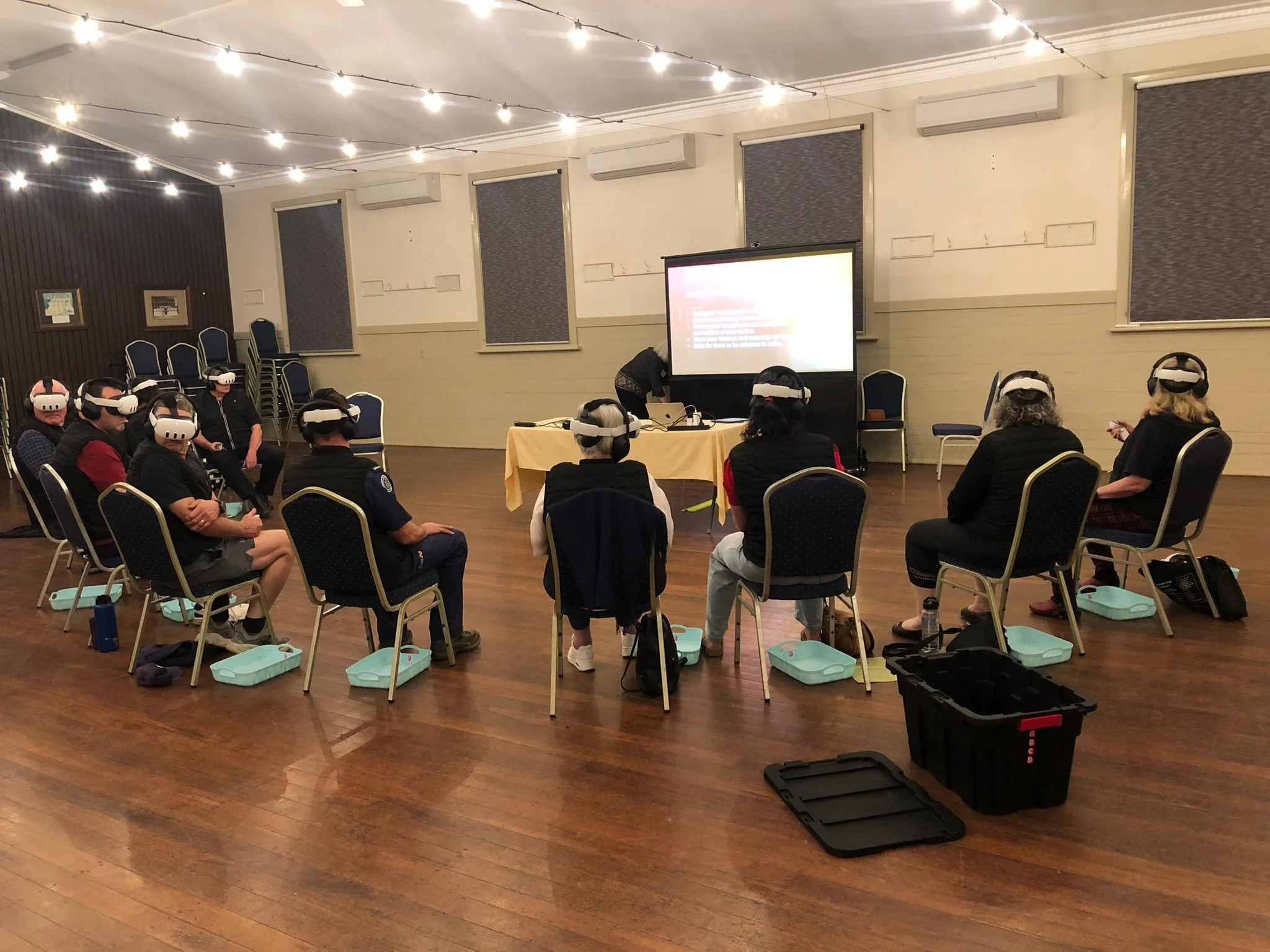
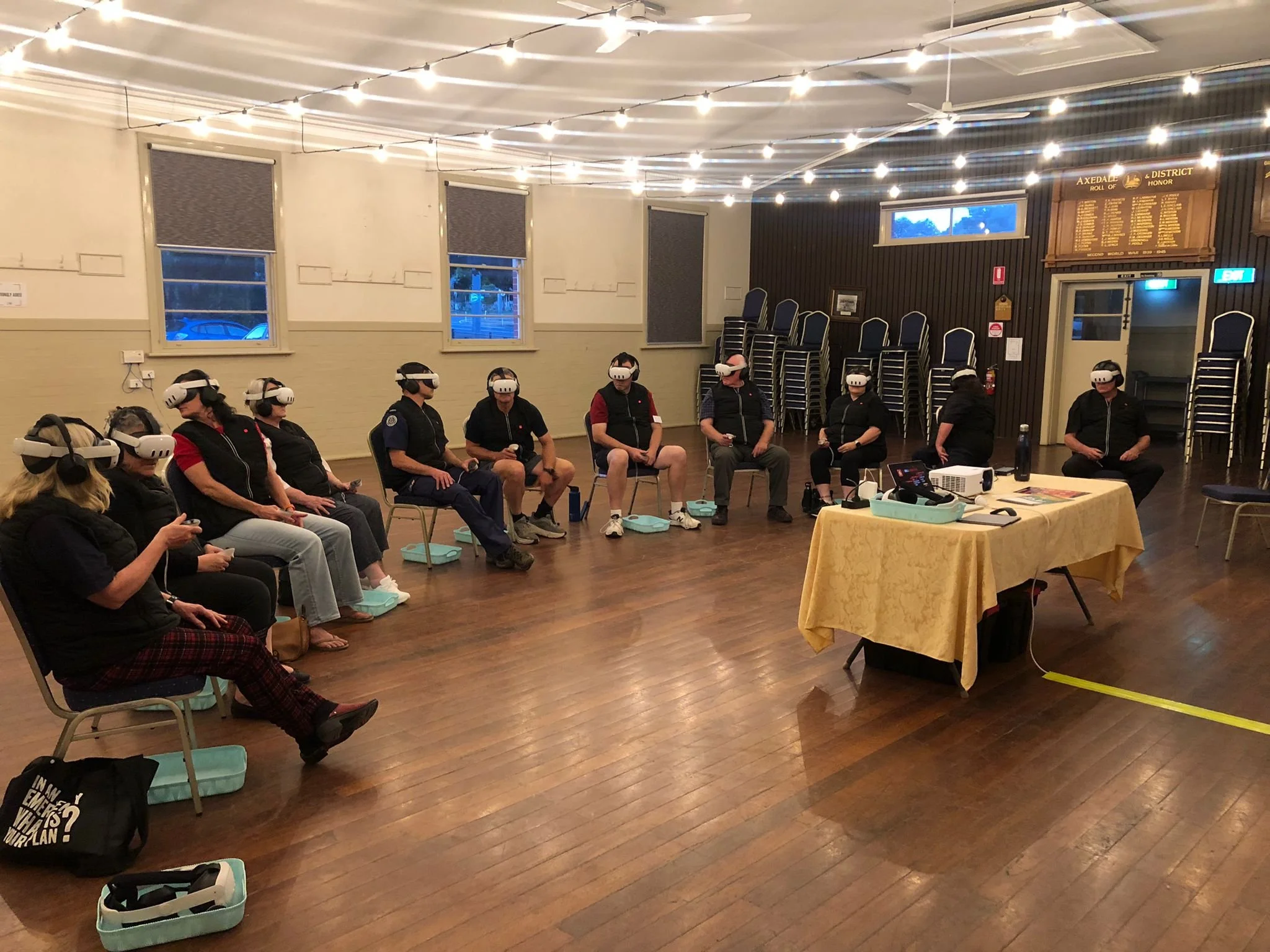
From the moment the hall doors opened in Axedale, it was clear this would be a special evening.
A heartfelt thank you to Sue, a local community leader, who opened the hall for us — and whose own “close call” on a high-risk fire day has sharpened her understanding of how quickly plans can be tested. Finding oneself alone, at home, without a car, is a sobering reminder of how vulnerable any of us can be. Moments like these often become turning points, prompting people to review and strengthen their plans before consequences are far more serious.
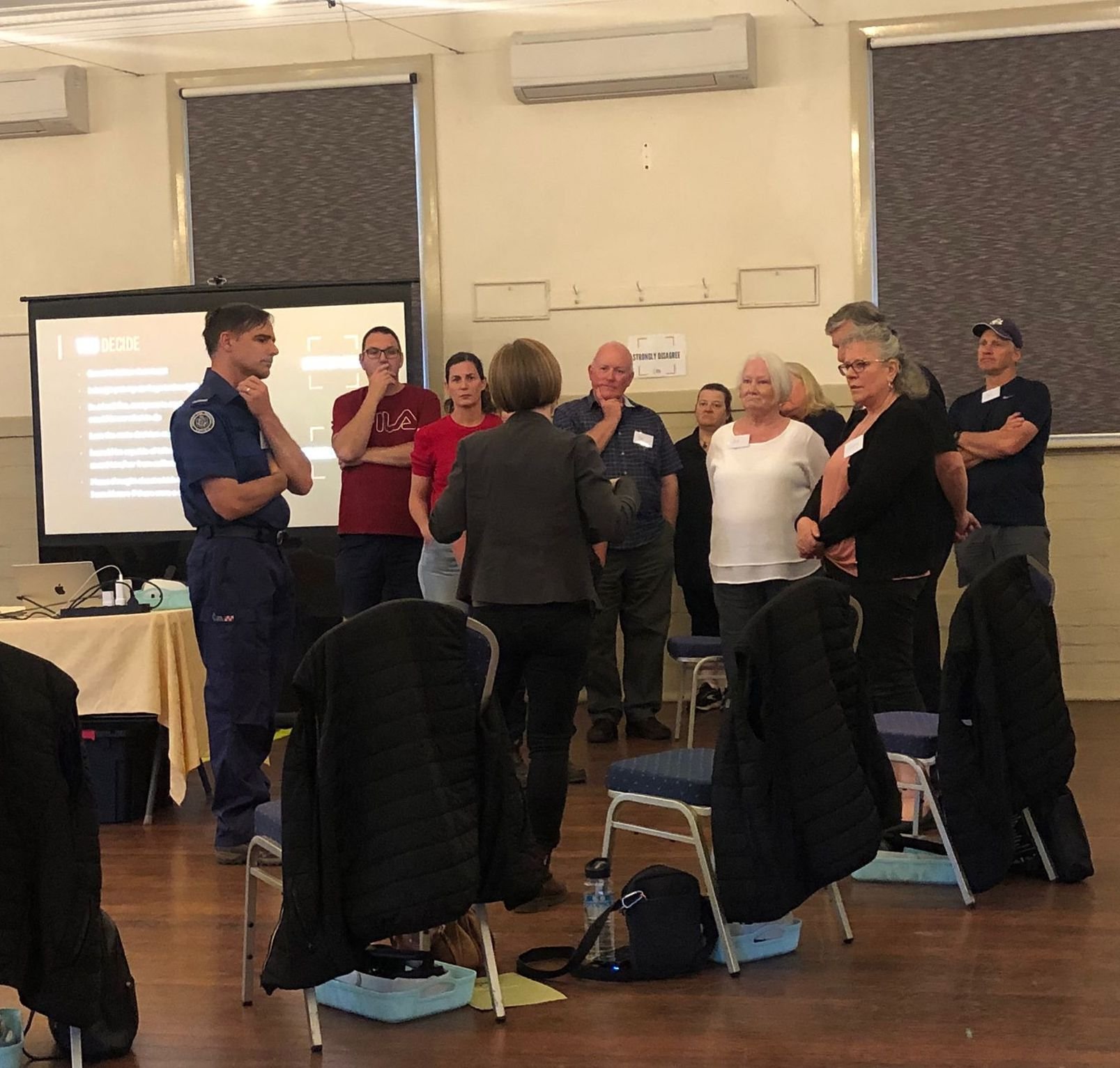
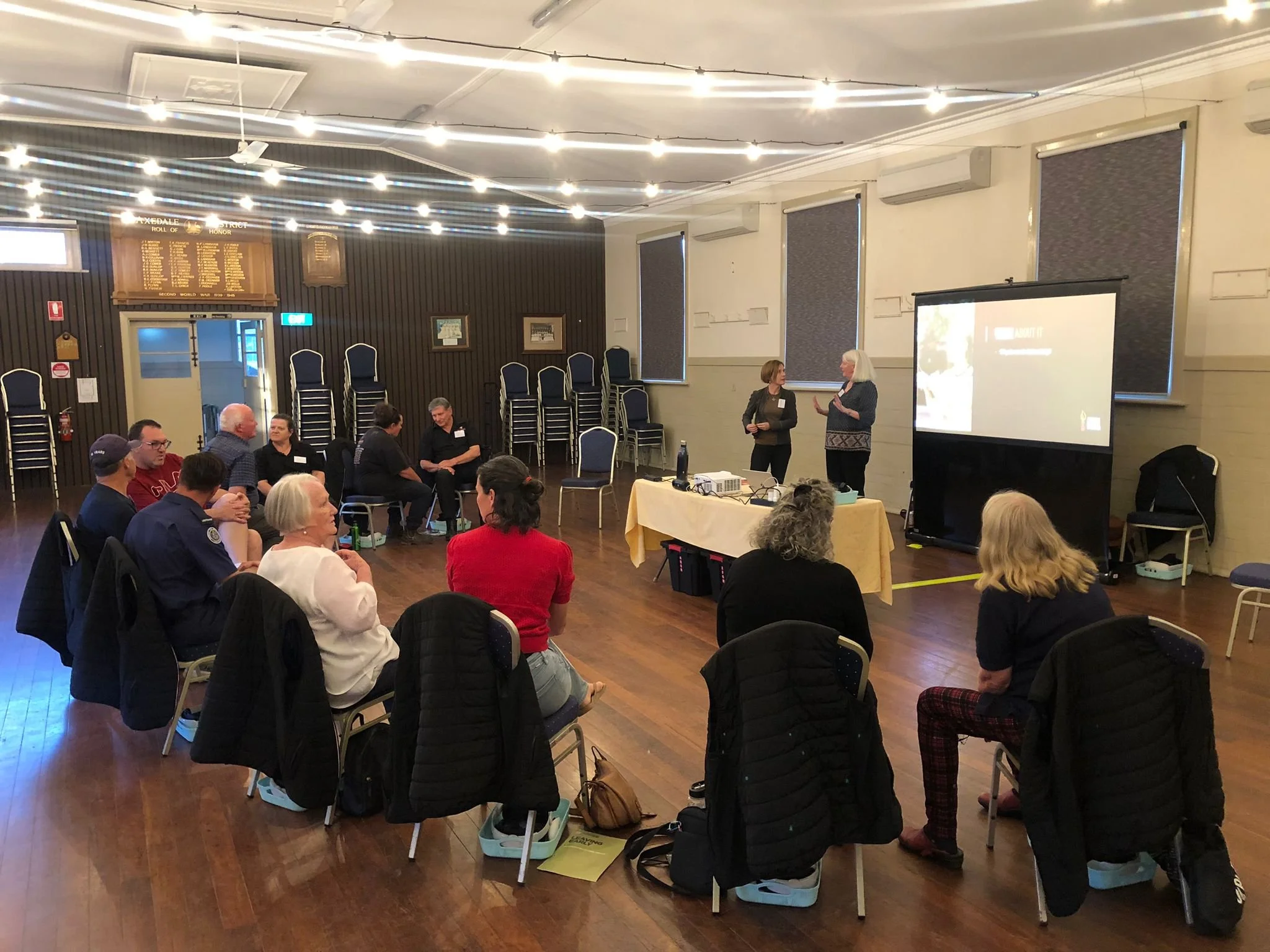
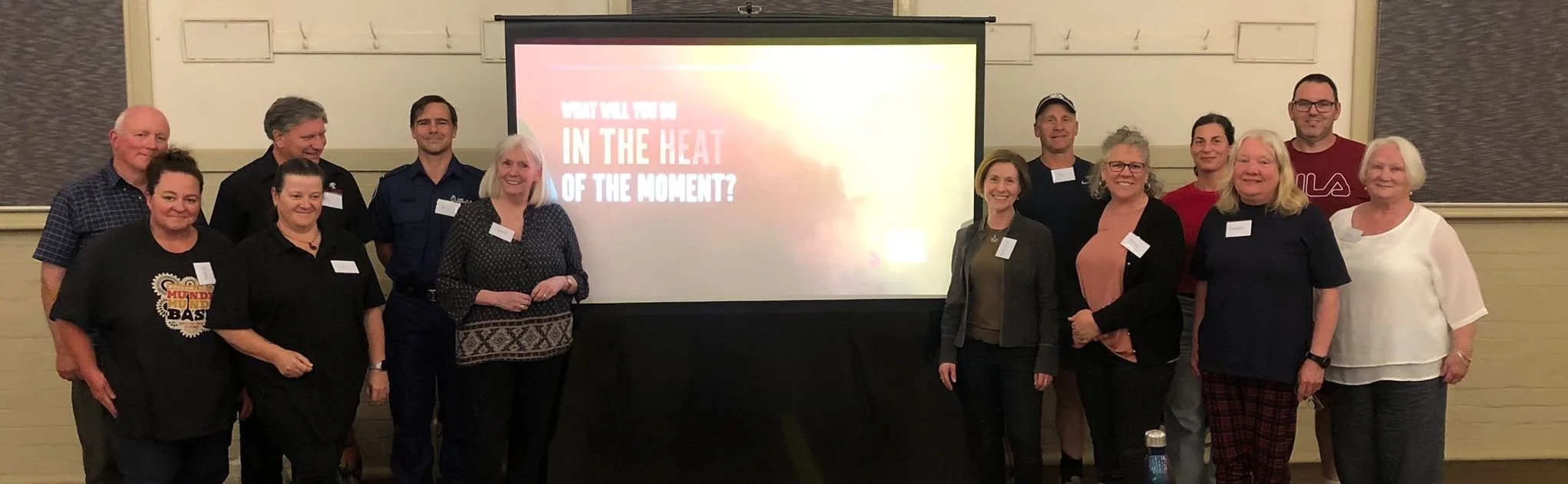
Credit must also go to Frances, whose thoughtful and energetic recruitment brought together an extraordinary cross-section of the Axedale community. The room included residents who were representatives from police and CFA, community organisers, a school teacher, new residents without a plan, families with young children, people living alone, and someone who had experienced a house fire that remains vividly etched in memory.
The diversity in the room made for a deep, grounded and authentic conversation.
A CFA member spoke about how fire rapidly consumes oxygen, creating a life-threatening environment in seconds. This insight profoundly shifted the thinking of one participant who had considered sheltering in a dam as a fallback option. Understanding that oxygen deprivation can cause unconsciousness within moments — and brain injury within minutes — changed that plan on the spot.
A police officer described how he uses breath as a tool to steady himself in moments of fear on the job — sparking discussion about emotional regulation and decision-making under stress. These lived experiences enriched the evening in ways no slide ever could.
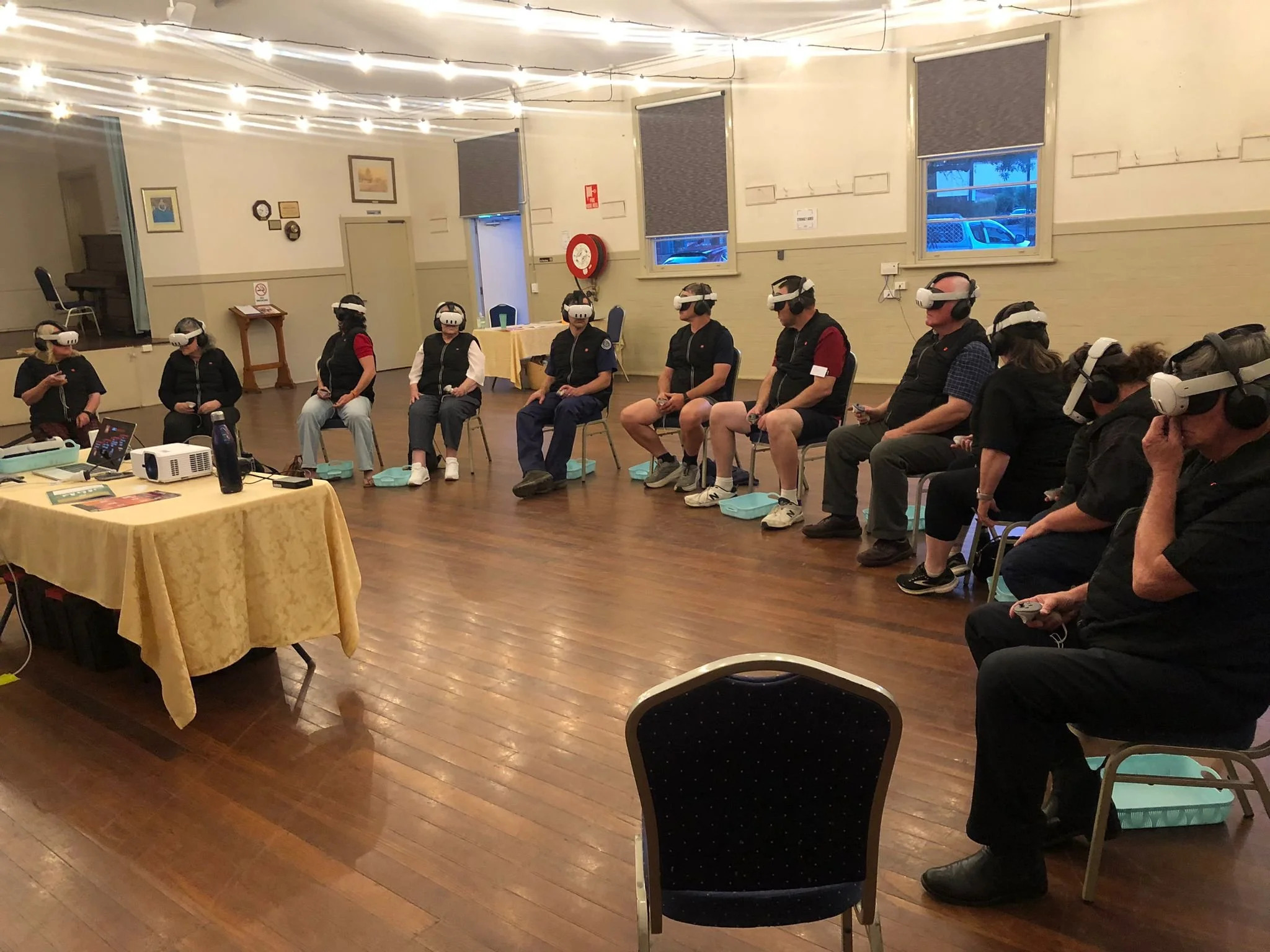
They also reaffirmed something we see again and again: In IBE workshops, participants learn as much from one another as they do from the program itself.
Participant feedback reflected both the emotional impact and practical value of the workshop. Several spoke about how the experience affirmed that a written plan alone is not enough, and that emotional preparedness is the missing piece that determines whether a plan is executed under pressure. Others described leaving with a renewed determination to have real conversations with family, friends and neighbours, and to develop multiple plans rather than relying on a single “best case” scenario.
“Very grateful to have had this opportunity. Powerful experience and I will be taking action as a result.”
“Excellent experience that highlighted that a written plan is not enough. Way more aspects of a bushfire than I had considered.”
“Thank-you for the incredible experience providing tonight. It was extremely worthwhile and thought provoking. I can definitely say that I will revisit my current non-existent plan and develop plans A through to D and beyond.”
“Very powerful workshop, I had not considered emotional preparedness much beforehand and now understand the importance of planning for an emotional worst case. I am motivated to get the family together and make a full plan.”
Some stayed long after the formal session ended, and it was in those extra moments that the power of community learning truly emerged. The setting played no small part in the atmosphere. Soft fairy lights, the hum of evening, a kindergarten and playground next door — reminders of exactly who preparedness is for. The conversation lingered not because it needed to, but because no one wanted to leave.
Social capital (the connections between people) is one of the strongest predictors of how communities cope and recover from disaster. That was evident in Axedale. This is a community that talks, checks in, notices one another, and prepares together.
We left feeling confident that Axedale is in good hands.
And we very much hope to return.