An afternoon in Emerald: When women carers turned the lens on themselves
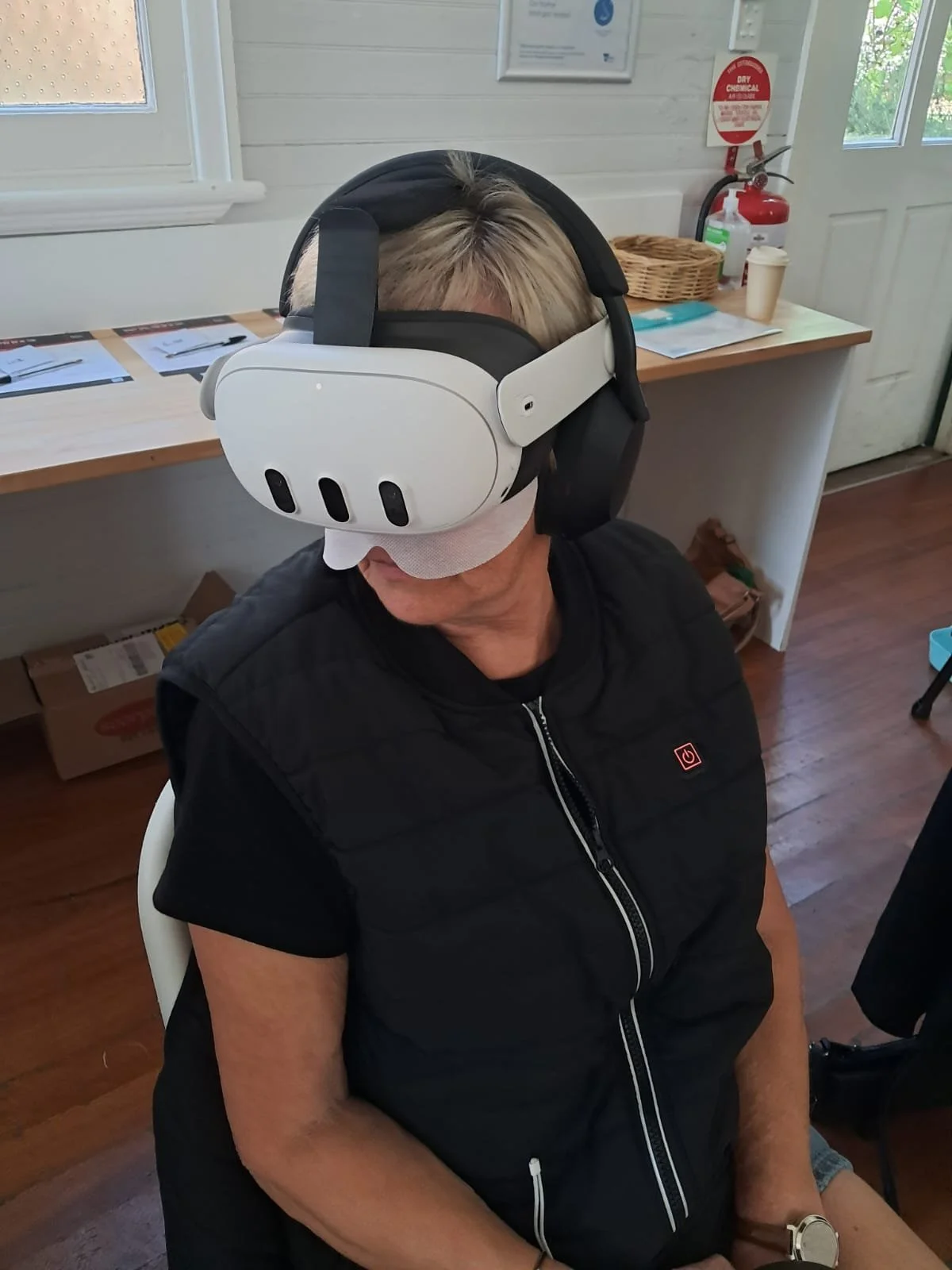
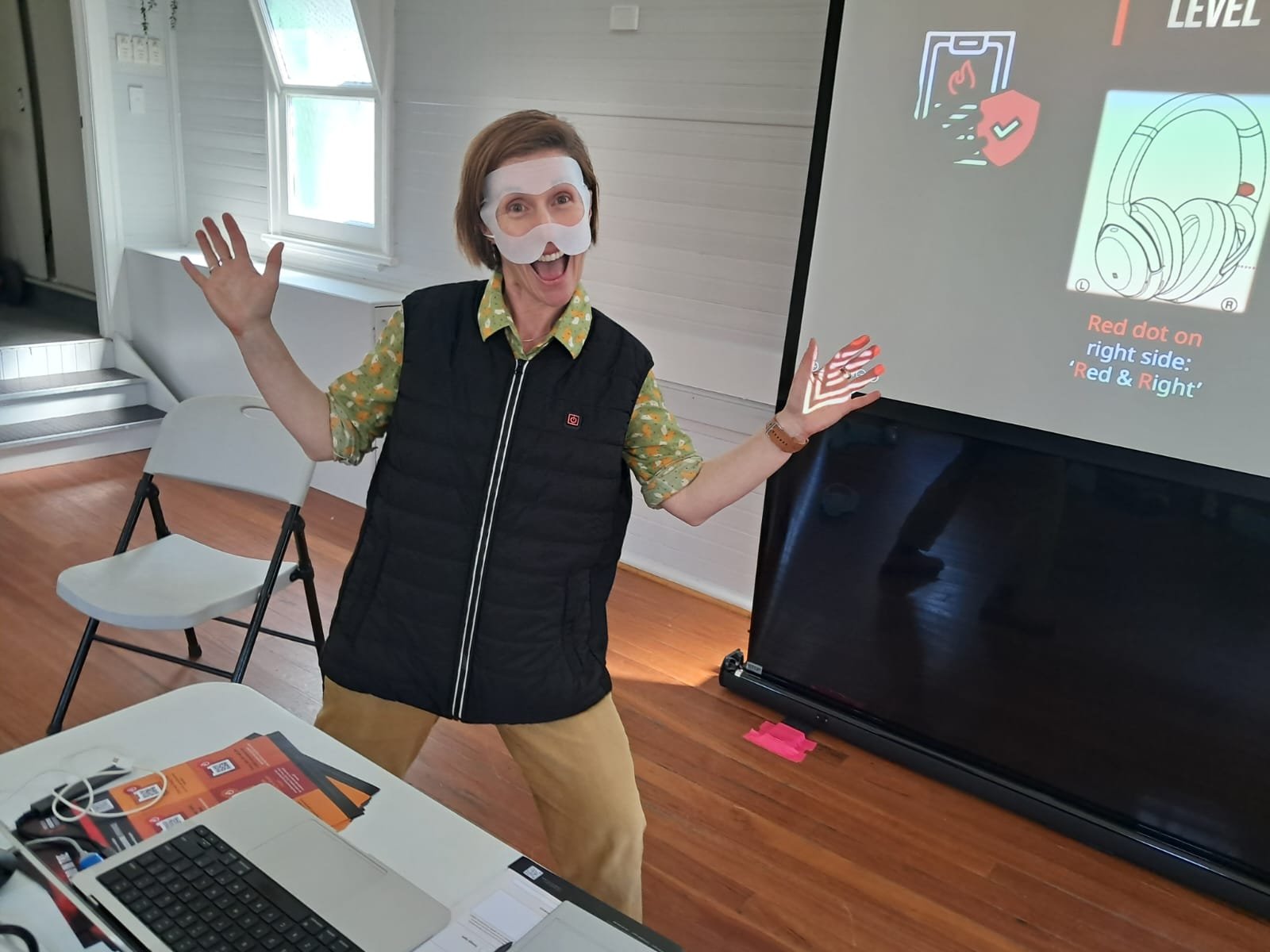
Tuesday afternoon’s Immersive Bushfire Experience workshop in Emerald brought together a practical, thoughtful and deeply engaged group of local women.
This session brought together an all-female group, many of whom work in community services and support roles across Emerald and surrounds. These were women who spend their lives making things easier for others. On this afternoon, they paused to make space for themselves, their families, and their future safety.
Workshop feedback reflected the emotional weight and practical impact of the session:
Participants told us the session was “extremely well run,” “eye-opening,” and “powerful,” with one woman wishing it had gone for three hours. Several said it had given them the courage to initiate difficult conversations at home, and the clarity needed to turn loose ideas into real plans: rehearsed, revisited, and shared with everyone in the household.
Many spoke about the emotional labour of preparedness, and how often that part is invisible in official messaging. One participant captured it simply:
“The emotions are such a massive part of whether our plans succeed.”
We were honoured to be joined by Victorian Member of Parliament Daniela De Martino — a resident of the Dandenong Ranges and a powerful advocate for safer communities in bushfire-prone areas. Her perspectives in the discussion reinforced a truth well understood in the Hills: delaying decisions on high-risk days can be deadly. Evacuating from towns in the Dandenong Ranges can take hours, depending on who decides to leave at the same time as you.
Three themes rippled through the room.
The first was frustration with complacency in the community. Participants spoke openly about the vulnerability they feel when neighbours don’t take risk seriously, and how even the most well-prepared household can still be affected by someone else’s inaction. Preparedness, they reflected, is not just an individual responsibility: it is a community imperative.
The second theme was how quickly plans become outdated.
Recent separation. Changing work arrangements. New pets. Children growing older. Elderly parents requiring care. The group acknowledged how easily plans can become irrelevant — and how essential it is to revisit them regularly and create multiple back-up plans when circumstances change.
The third — and most emotional — was pets.
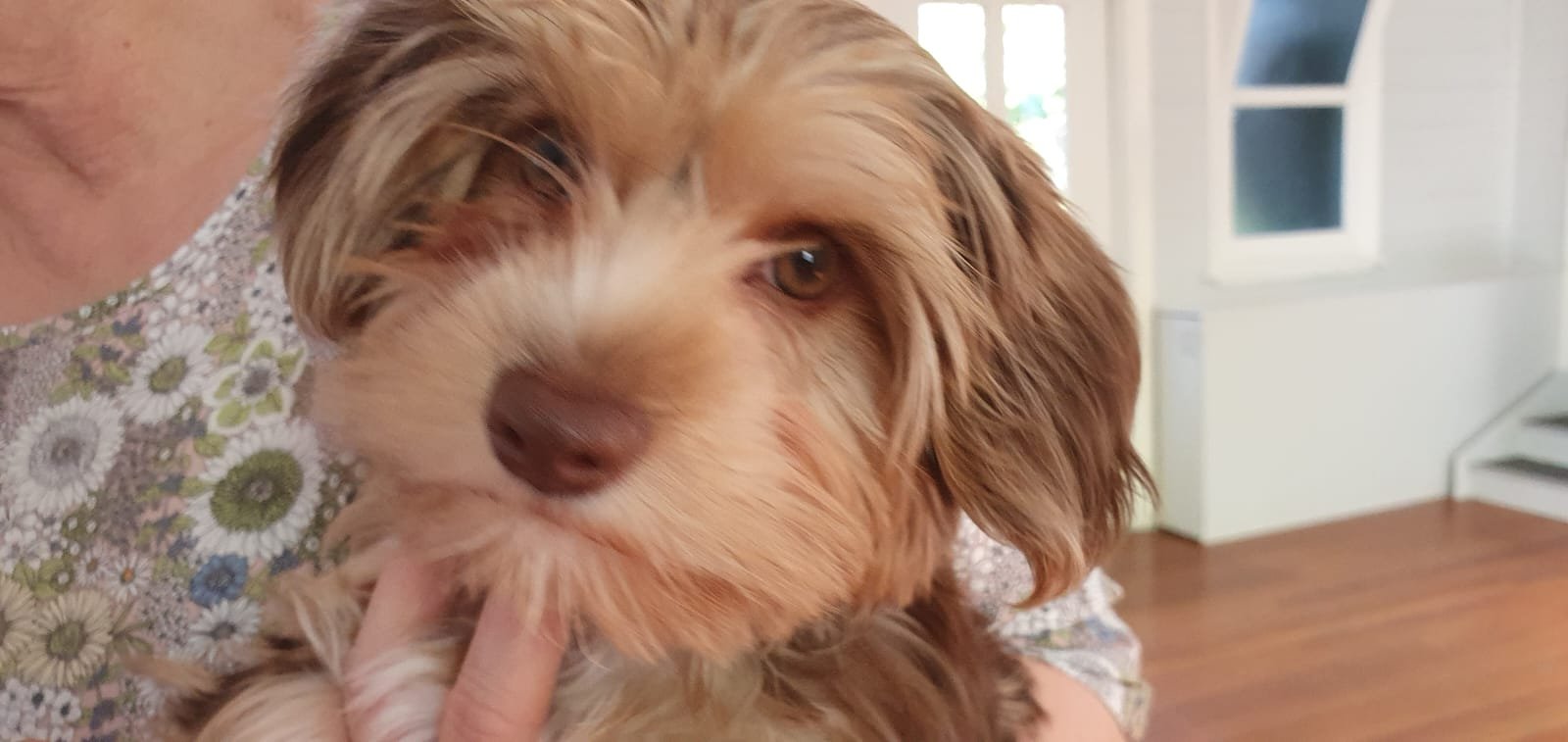
For many, this was where the conversation deepened. Pets are not “extras” in a plan; they are family. The group spoke about the wrenching decisions people face when forced to choose between safety and attachment, and how failing to properly plan for animals often delays evacuation and compounds trauma.
The group also reflected on how bushfire messaging has evolved over time.
We heard stories (second-hand but still resonant) of past pressure on men to “stay and defend” when this was framed as a legitimate option. Even highly-trained CFA members would struggle to defend a dwelling alone, yet the cultural narrative lingered long after official guidance changed.
One woman offered an alternative title for the workshop: “Bushfire Planning: Choose your trauma.”
Her point was simple and searing: all bushfire decisions carry emotional weight, but the trauma of leaving early and being inconvenienced for a day is infinitely preferable to the trauma of separation, injury, or loss.
Several participants had attended as part of workplace professional development. After the session, they quietly shared how unprepared they had been for the emotional impact.
“I didn’t really take the risk seriously before this,” one woman admitted. By the end of the session, that had changed.
As we packed up our equipment and said goodbye, something else had become clear: this group would not walk away quietly.
Every single participant told us they would share what they learned — at home, at work, and in their networks. This is how cultural change happens: not through fear, but through conversation. Not through instruction, but through reflection.
Emerald’s two workshops with the Immersive Bushfire Experience were small in numbers.
But their ripple effect will not be.
We look forward to keeping in touch with our Emerald participants and visiting again in the future. Thanks again to Kerry and the team at Fernlea Community House for their generosity of spirit and warm hosting.
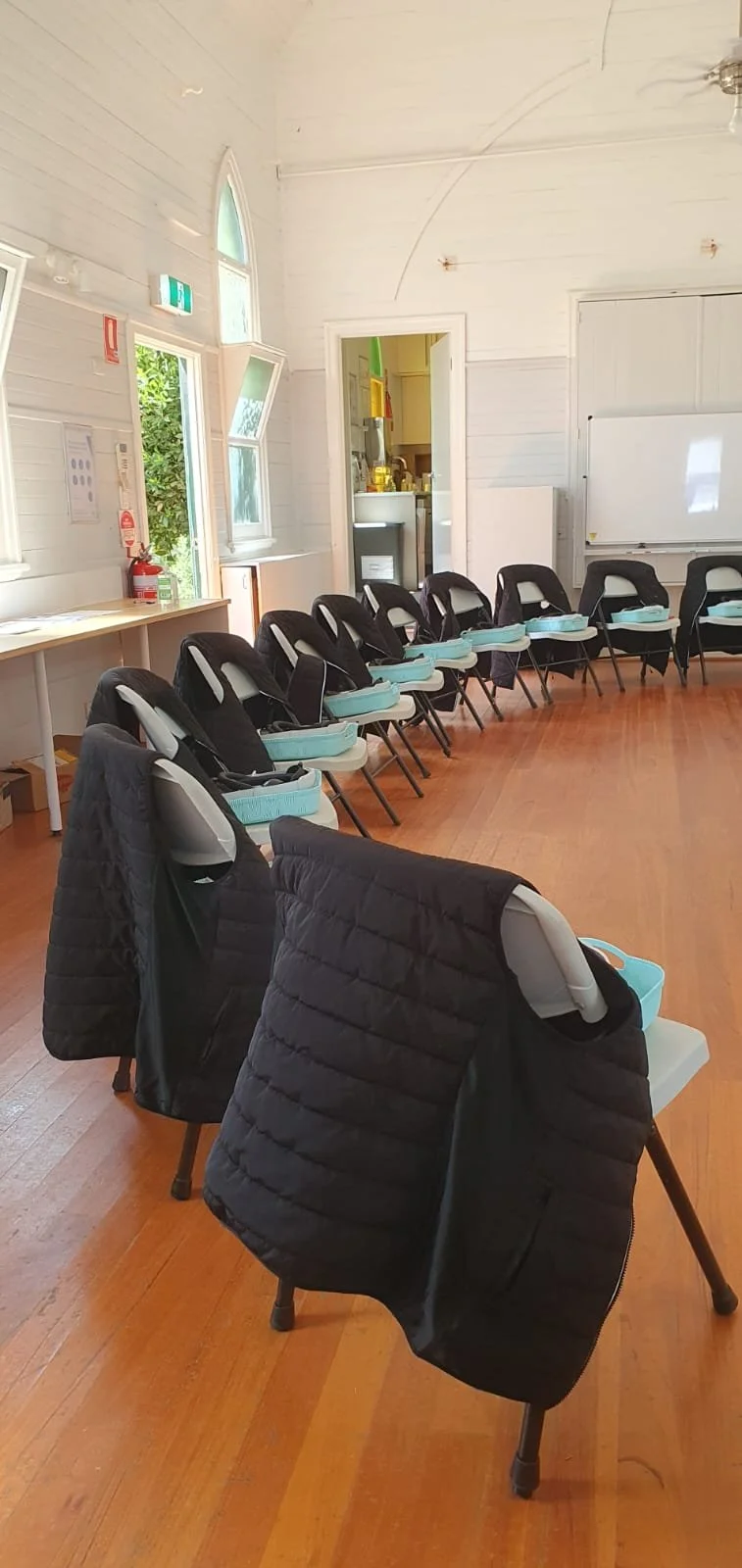
Getting ready for the last Emerald workshop